8 Water Conservation Tips That Can Lower Your Energy Bills

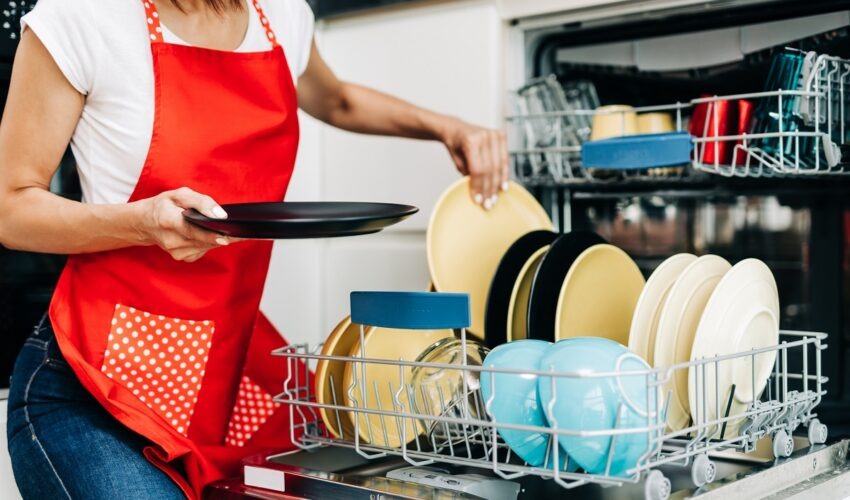
woman taking out clean dishes from dishwasher

With the COVID-19 pandemic, people and families are spending more time at home. Many parents have turned to virtual schooling for their children. Many businesses are having non-essential employees working from the safety of their homes. Many people were also furloughed and may still be on leave from their jobs.

As a result, they have noticed their energy bills have increased because they are using more water, electricity, and natural gas. If you have noticed your energy bills increase, especially your water bill, you will want to check out these water conservation tips.

Tip #1: Don’t wash dishes by hand.

You waste a lot of water when you wash dishes by hand. If you have a dishwasher, use that to wash your dishes. Yet, wait until it is full before running it. If you don’t have a dishwasher, use a plastic tub filled with cold water to rinse your dishes. You can reuse the rinse water to water plants, to mop your floor, or for other cleaning purposes.

Tip #2: Only do full loads of laundry.

Unless you have a limited wardrobe, most people have two to three weeks of clothes. Wait until you have full loads of laundry, as this uses less water and energy than doing partial loads. Another way to save some money is to wash clothes in cold water.

Tip #3: Don’t leave the water running when brushing your teeth.

One bad habit many people have is to let the water run while they are brushing their teeth. Get out of this habit by shutting it off after wetting your toothbrush. You can turn the water on and off as needed.

Tip #4: Take showers instead of baths.

Baths use a lot of water to fill the tub compared to a quick shower. You will use a fraction of the water and reduce water and energy usage.

Tip #5: Fix leaky faucets.

If you have faucets that drip when shut off, all those little drips can add up to hundreds of gallons of water over a year. Have your plumber repair or replace the leaky faucets.

Tip #6: Upgrade to water-saving fixtures.

Replace faucets, showerheads, toilets, and other fixtures with ones that have water-saving features. For example, getting a new low-flush toilet allows you to use less water per flush. You could even get a toilet with dual-flush stages for liquid and solid waste.

Tip #7: Upgrade to tankless water heaters.

Tankless water heaters create hot water on-demand to save money. You won’t have to wait for what seems like forever for hot water to come flowing out the faucet either. Not to mention, you will use less energy because your water heater won’t have to keep stored water heated to the preset temperature any longer.

Tip #8: Collect cold water while waiting for hot water.
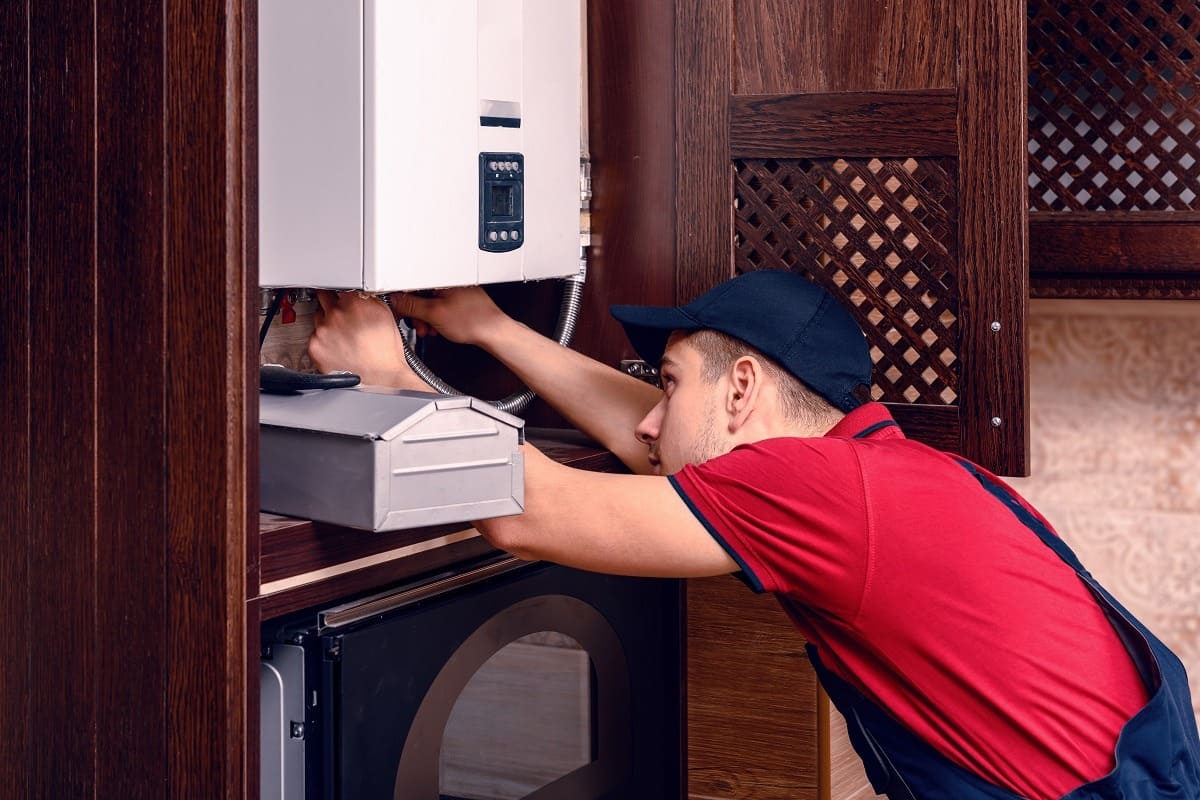
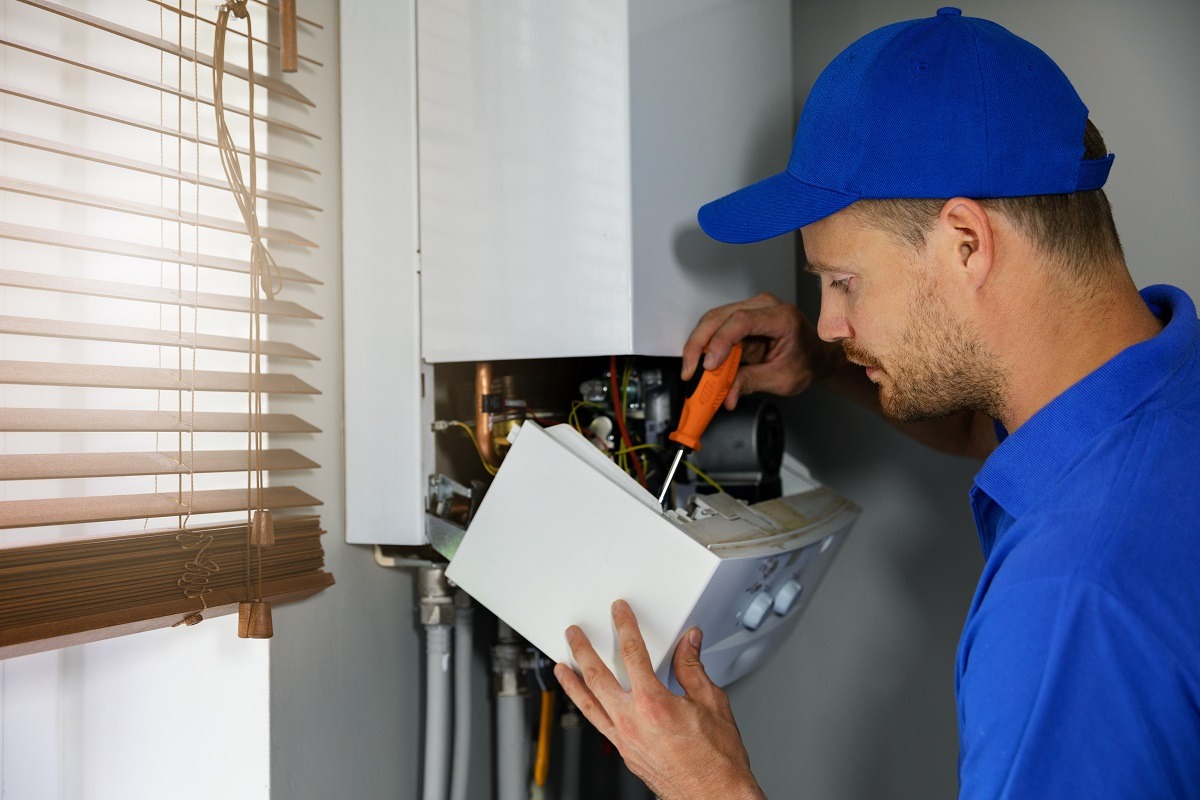
A young skilled worker regulates the gas boiler before use Whenever you need to turn on the tap for hot water, get storage containers to collect the cold water. You can use the water you collect for cooking, drinking, rinsing dishes, etc.

By using these tips, you will notice a reduction in your water and energy bills. If you stick to them and implement other water- and energy-saving ideas around your home, you will continue to save money.

For help fixing leaks, installing water-saving fixtures, and installing tankless water heaters, or for other plumbing services in the entire Coachella Valley area and Palm Springs, please feel free to contact the plumbers at KC’s 23 ½ Hour Plumbing by calling 760-327-8718 today!
7 Signs That It Is Time to Replace Your Water Heater

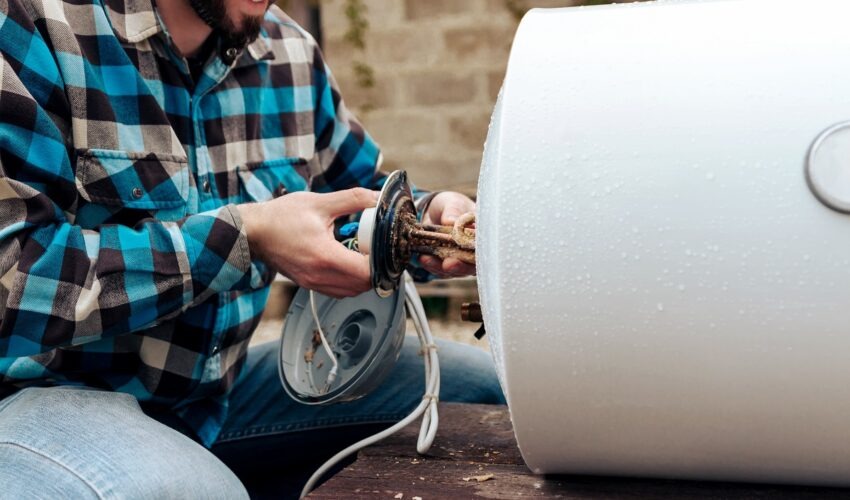
plumber servicing a boiler

Part of owning a home is knowing when it is time to replace your water heater. The last thing you want to do is wait for it to stop working or, worse, spring a leak and flood your home. Most of the time, your water heater will give you warning signs something is wrong and it needs water heater service by your plumber.

Sign #1: Snapping, Popping, Crackling Sounds

If your water heater sounds like your bowl of cereal when you add milk, it definitely needs to be serviced. Limescale, calcium, and mineral deposits inside the water heater will cause it to make these types of sound.

Sign #2: No Hot Water

No hot water is a telltale sign that something is wrong with your water heater. Before you panic, check to make sure the water heater is turned on. Kids, especially ones that have learned about energy conservation, will turn off the water heater’s bypass switch thinking they are helping conserve energy.

You can also check your breakers to verify one has not blown. Don’t forget to check the temperature setting on the heater too. If it got turned all the way down, you won’t have hot water. On natural gas water heaters, verify the pilot light is lit. If none of these things help, then call your plumber.

Sign #3: Your Water Is Rust-Colored

If you notice that when you turn on the hot water, it comes out rust-colored, this means it is time to replace your water heater. The internal components have become corroded. In most cases, it is not cost-effective to repair the water heater and it is better to replace it with a new one.

Sign #4: Water Is Leaking from the Water Heater

Leaks are never a good sign. Make sure to place buckets to catch leaks if your water heater doesn’t have a leak/overflow pan under it, which most should. Leaks can occur for a variety of reasons. Sometimes leaks can be fixed, other times they cannot, so you will need to get a new water heater.

Sign #5: Your Water Heater Is Displaying a Warning

Newer water heaters can have digital displays that say “Service Heater” or have different colors of lights to indicates something is wrong. Don’t ignore these, as the problem could worsen and lead to having to replace the heater instead of getting it repaired.

Sign #6: Your Water Heat is More Than 10 Years Old

house gas heating boiler maintenance and repair service If your water heater is more than 10 years old and starts having problems, this is a sign that it is time to replace your water heater. Even if the current heater can be repaired, you need to remember that one repair leads to the next, and so on. Plus, there will have been new technologies and enhancements designed to conserve energy and lower your water heating costs.
Sign #7: The Water in the Heater Is Boiling

If you hear boiling water coming from inside your water heater, this is dangerous. Shut off the power to the heater using the bypass switch or at the breaker. Get out of your home quickly. The boiling water can cause pressure to build inside the water heater and cause it to explode.

If you notice one or more of these signs, call your plumber right away. Whether you need water heater repair or water heater replacement will depend on several factors, such as the age of the water heater and the type of problems. Your plumber will do an initial assessment and offer you the appropriate options available.

To schedule water heater services, including repairs and new installations, or for other plumbing services in the entire Coachella Valley area and Palm Springs, please feel free to contact the plumbers at KC’s 23 ½ Hour Plumbing by calling 760-327-8718 today!

Water Softener System Basics for Homeowners

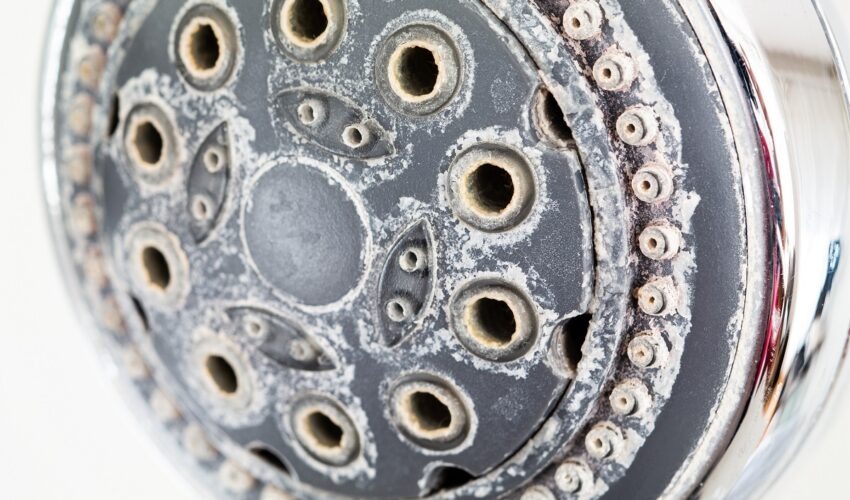
silver round shower head

A residential water softener system is a must-have for homes that have hard water in Palm Springs and Coachella Valley. If you have a well that supplies your home with water, then you have hard water. Hard water can be taxing on your home’s plumbing lines, water-using appliances, faucets, and fixtures.

How Does Hard Water Strain My Home’s Plumbing?

Hard water contains calcium, minerals, and even iron. Drinking hard water, cooking with it, and using it to shower, do dishes, and wash clothes is not harmful. However, if there are high levels of minerals and iron in the water, it can have an unpleasant metallic taste.

Hard water will also leave mineral deposits on faucets and fixtures, as well as water stains on dishes. If you have ever noticed those white water spots left after dishes dry, this is the dried calcium and minerals in your hard water.

Furthermore, hard water requires you to use more detergent, soap, and shampoo to achieve the desired results. The minerals and calcium in hard water do not mix well with soap. To get a good deep clean, you need to use more soap.

You will also need to use a second rinse when doing laundry. This is because soap does not easily rinse out of clothing after a single rinse when you have hard water. If you don’t run a second rinse cycle, soap can remain in clothing, which starts to harden over repeated washes.

How Does a Water Softener System Help?

Having a whole-house water softener installed by your plumber can help resolve these issues. The system helps remove the excess minerals, calcium, and iron from the drinking water, thereby making it soft water.

A whole-house system is installed in the location where the water main comes into the home. As such, all the water in the home will be softened, even your hot water. An alternative to a whole-house system is having smaller individual water softeners installed in various areas of the home, such as under sinks.

Is a Water Softener System the Same as a Water Filtration System?

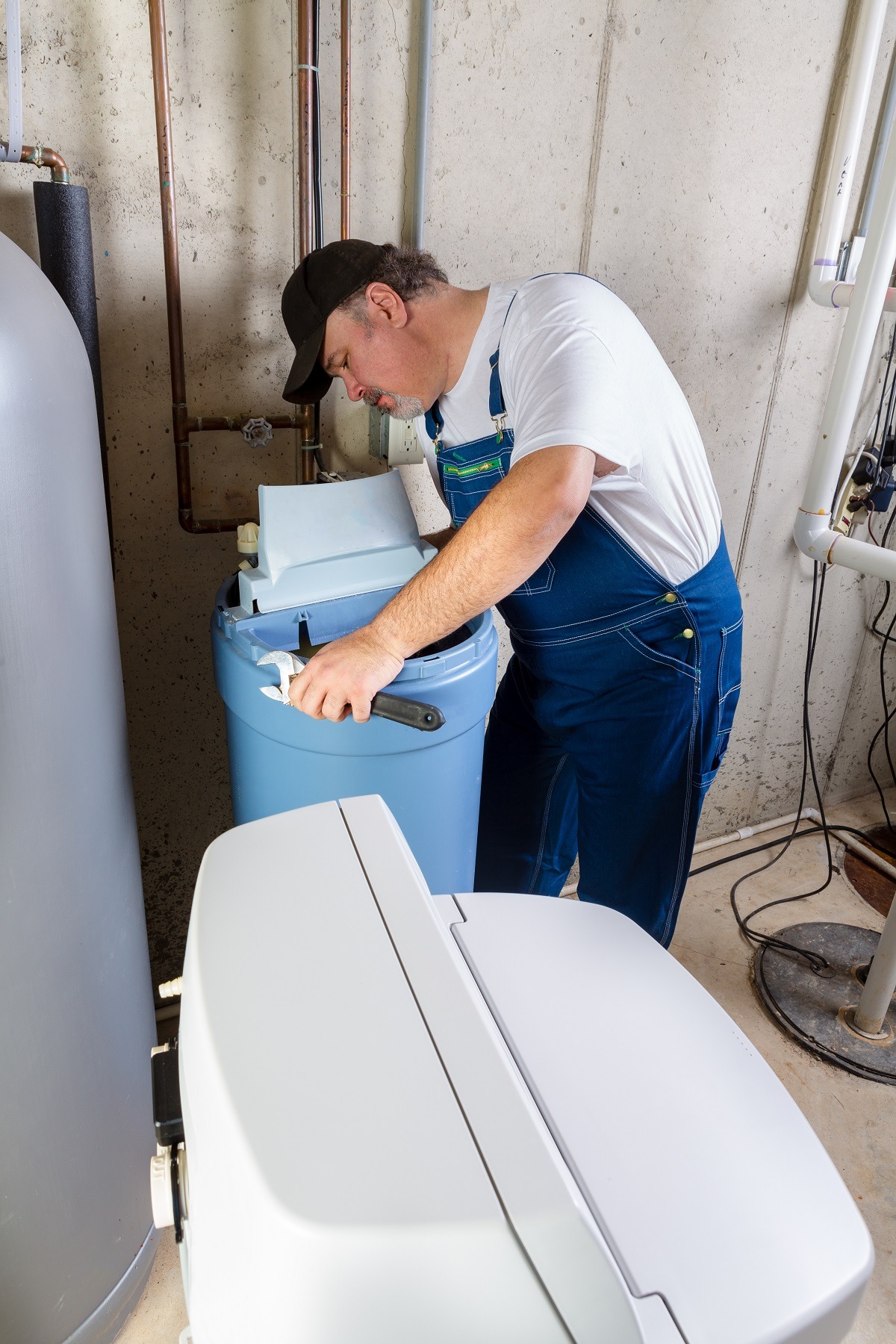
Experienced home installer with water softener It is easy to get water softeners and water filtration systems mixed up. They are different types of systems you can have installed. Water filtration systems help remove odors, microorganisms, chlorine, and bacteria from your drinking water. If you have these issues with your drinking water, then you will want a water filtration system.

Keep in mind, water filters do not remove minerals, calcium, and iron from the water. If you have hard water and odor issues or want to remove microorganisms, chlorine, and bacteria, as well as soften the water, then you would need both a whole-house water softener and a water filtration system.

If you are not entirely sure what type of system your home needs, the best place to start is by scheduling a water quality test with your plumber. The test will determine what impurities are in your water and their levels, so you will know what type of system your home needs for the best-quality water.

To schedule a water quality test in Palm Springs and the Coachella Valley, or for further information about water softener systems and water filtration systems for your home, please feel free to contact KC’s 23 ½ Hour Plumbing at 760-327-8718 today!